Introduction
The Certified DevOps Engineer (CDE) certification is one of the most sought-after credentials for professionals looking to specialize in DevOps practices. Whether you are an engineer, manager, or software professional, mastering DevOps principles can take your career to the next level. This guide aims to provide you with a detailed understanding of the Certified DevOps Engineer certification, including its benefits, skills, career outcomes, and how to succeed in obtaining this certification.
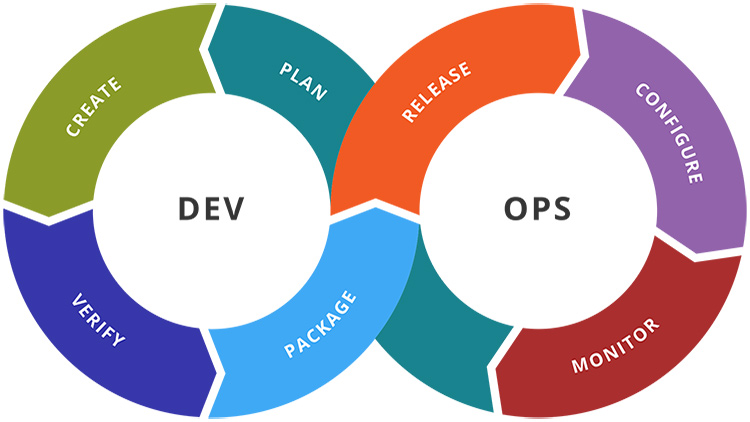
What is Certified DevOps Engineer (CDE)?
The Certified DevOps Engineer certification validates your expertise in the key principles of DevOps, such as continuous integration, automation, and system reliability. The certification ensures that you have a deep understanding of tools, processes, and best practices in automating and optimizing software delivery pipelines.
Who Should Take the Certified DevOps Engineer Certification?
This certification is highly recommended for professionals who:
- Software Engineers: If you are already working in software development but want to gain deeper insight into automation and CI/CD pipelines.
- IT Operations Engineers: For professionals in infrastructure management who want to focus on automating processes and optimizing software delivery.
- Aspiring DevOps Engineers: If you’re transitioning into the DevOps field and need to establish your credibility.
- Engineering Managers: If you’re leading a development or operations team and want to understand DevOps processes at a strategic level.
Whether you’re new to DevOps or looking to refine your skills, the CDE certification offers the knowledge to help you excel.
Skills You’ll Gain
By completing the Certified DevOps Engineer certification, you’ll acquire a wealth of valuable skills that are directly applicable to real-world DevOps practices, such as:
- Automation of CI/CD Pipelines: Learn how to automate testing, integration, and deployment for faster, more reliable software delivery.
- Infrastructure as Code (IaC): Gain proficiency with tools like Terraform and Ansible for managing cloud infrastructure efficiently.
- Containerization and Orchestration: Master Docker and Kubernetes for creating, deploying, and scaling containerized applications.
- Cloud Platform Integration: Understand how to deploy and manage infrastructure using cloud services like AWS, Azure, and Google Cloud.
- Security and Compliance (DevSecOps): Learn to integrate security practices within the DevOps pipeline, ensuring that security is embedded throughout the software development lifecycle.
- Monitoring and Incident Management: Gain expertise in setting up monitoring tools like Prometheus, Grafana, and ELK stack to ensure system reliability.
Real-World Projects You Should Be Able to Do After It
Upon completion of the CDE certification, you should be able to apply your new knowledge to these practical, real-world projects:
- Automating CI/CD Pipelines: Design and implement robust CI/CD pipelines using Jenkins, GitLab, or other CI tools.
- Infrastructure Automation: Set up and manage cloud infrastructure automatically through Terraform and Ansible.
- Creating Docker Containers and Managing with Kubernetes: Build Docker images and deploy containers using Kubernetes in production environments.
- Implementing DevSecOps Practices: Secure your pipelines by embedding security measures like vulnerability scanning and threat detection tools.
- Setting Up Monitoring Systems: Configure monitoring tools like Prometheus and Grafana to track system health, performance, and errors.
- Optimizing Cloud Costs: Implement strategies to optimize costs associated with cloud infrastructure and services, leveraging tools and best practices.
Preparation Plan
7-Day Plan:
- Day 1–3: Review DevOps foundational concepts like CI/CD, version control, and cloud basics.
- Day 4–5: Hands-on practice with CI/CD tools and infrastructure as code using Terraform/Ansible.
- Day 6–7: Study security in DevOps and monitor system performance with relevant tools.
30-Day Plan:
- Week 1–2: Focus on key concepts (CI/CD, Docker, Kubernetes, Jenkins).
- Week 3: Learn about cloud computing platforms (AWS, Azure, GCP).
- Week 4: Dive into security, monitoring, and automation best practices.
60-Day Plan:
- Week 1–2: Deep dive into the core DevOps tools (Docker, Jenkins, Kubernetes).
- Week 3–4: Hands-on practice with cloud platforms and IaC tools (Terraform/Ansible).
- Week 5–6: DevSecOps principles, monitoring, and final exam preparation.
Common Mistakes to Avoid
- Skipping foundational DevOps principles: Jumping straight into tools without understanding the underlying concepts can hurt your learning.
- Neglecting security in the pipeline: Failing to integrate security with DevOps (DevSecOps) is a common pitfall.
- Overcomplicating things: Stick to simple, repeatable processes rather than over-engineering solutions.
- Ignoring monitoring and troubleshooting: Monitoring system performance is crucial, so ensure you practice it.
- Not practicing hands-on: DevOps is a practical skill—passive learning won’t suffice.
Best Next Certifications After CDE
After completing your Certified DevOps Engineer certification, consider pursuing these advanced certifications:
Same Track:
- Certified Kubernetes Administrator (CKA) – Deep dive into container orchestration.
- Certified Jenkins Engineer (CJE) – Master Jenkins for automation.
Cross-Track:
- Certified Security Engineer (CSE) – Transition into security-focused roles.
- Certified AIOps Engineer – Dive into artificial intelligence for IT operations.
Leadership:
- Certified DevOps Manager – For those looking to move into leadership roles within DevOps teams.
Choose Your Path
As a Certified DevOps Engineer, you can specialize in various tracks, each offering a tailored learning path:
- DevOps: For professionals focusing on automation, CI/CD, and cloud deployment.
- DevSecOps: For those interested in integrating security practices into DevOps pipelines.
- SRE (Site Reliability Engineering): Focuses on system reliability, scaling, and performance.
- AIOps/MLOps: Blending machine learning with DevOps practices for intelligent automation.
- DataOps: Specializing in managing and automating data workflows in the DevOps pipeline.
- FinOps: Focuses on the financial aspects of cloud cost management within DevOps.
Role → Recommended Certifications
| Role | Recommended Certifications |
|---|---|
| DevOps Engineer | Certified DevOps Engineer, Certified Kubernetes Administrator (CKA) |
| SRE | Certified DevOps Engineer, Certified Site Reliability Engineer |
| Platform Engineer | Certified DevOps Engineer, Certified Jenkins Engineer |
| Cloud Engineer | Certified Cloud Practitioner, Certified DevOps Engineer |
| Security Engineer | Certified DevSecOps Engineer, Certified Security Engineer |
| Data Engineer | Certified Data Engineer, Certified DevOps Engineer |
| FinOps Practitioner | Certified DevOps Engineer, Certified FinOps Professional |
| Engineering Manager | Certified DevOps Manager, Certified DevOps Engineer |
Top Institutions Providing Training & Certification for CDE
- DevOpsSchool: Leading provider of DevOps training, offering in-depth courses on tools, methodologies, and certifications.
- Cotocus: Offers hands-on DevOps training with real-world projects, helping professionals advance in their careers.
- Scmgalaxy: Specializes in DevOps certification programs that include live sessions and labs to prepare candidates for the exams.
- BestDevOps: Provides industry-oriented DevOps training with a focus on practical learning and real-world implementations.
- DevSecOpsSchool: Training dedicated to integrating security into DevOps practices, essential for DevSecOps professionals.
- SRESchool: Specializes in Site Reliability Engineering (SRE) training, covering topics like system reliability and scaling.
- AIOpsSchool: Advanced training in AIOps, combining artificial intelligence and DevOps to enhance operational efficiency.
- DataOpsSchool: Offers training in managing and automating data workflows within a DevOps pipeline.
- FinOpsSchool: Provides training in cloud financial management and cost optimization practices within DevOps environments.
FAQs on Certified DevOps Engineer
1. What is the difficulty level of the Certified DevOps Engineer exam?
The difficulty level of the exam is moderate to high. You will need both theoretical knowledge and hands-on experience to succeed.
2. How much time should I dedicate to studying for the CDE certification?
If you follow the preparation plans above, dedicating 7–60 days depending on your experience should suffice.
3. What are the prerequisites for the Certified DevOps Engineer certification?
Basic knowledge of software development, IT operations, and version control systems is recommended before attempting the certification.
4. Should I pursue CDE before other DevOps certifications?
Yes, the CDE certification covers a wide range of DevOps practices and is a great starting point before moving to specialized areas like Kubernetes or Jenkins.
5. How much does the CDE certification cost?
Check the official website for the latest fee details, but it typically ranges from $300–$500.
6. Can I take the exam online?
Yes, the exam is available online, and you can take it from the comfort of your home.
7. What career outcomes can I expect after earning the CDE certification?
You will qualify for high-paying roles such as DevOps Engineer, SRE, Platform Engineer, and more.
8. What is the value of the CDE certification in the industry?
It’s highly valued by employers, as it demonstrates expertise in automating and optimizing the software delivery pipeline, a crucial skill in today’s tech world.
Conclusion
The Certified DevOps Engineer certification is a gateway to a rewarding career in the ever-evolving field of DevOps. With hands-on experience, this certification equips you with the knowledge and skills needed to drive software delivery and operational excellence in your organization. Whether you’re a developer, operations engineer, or manager, obtaining this certification will elevate your career and set you on the path to success in the world of DevOps. Choose your learning path and start your journey today!
