Introduction
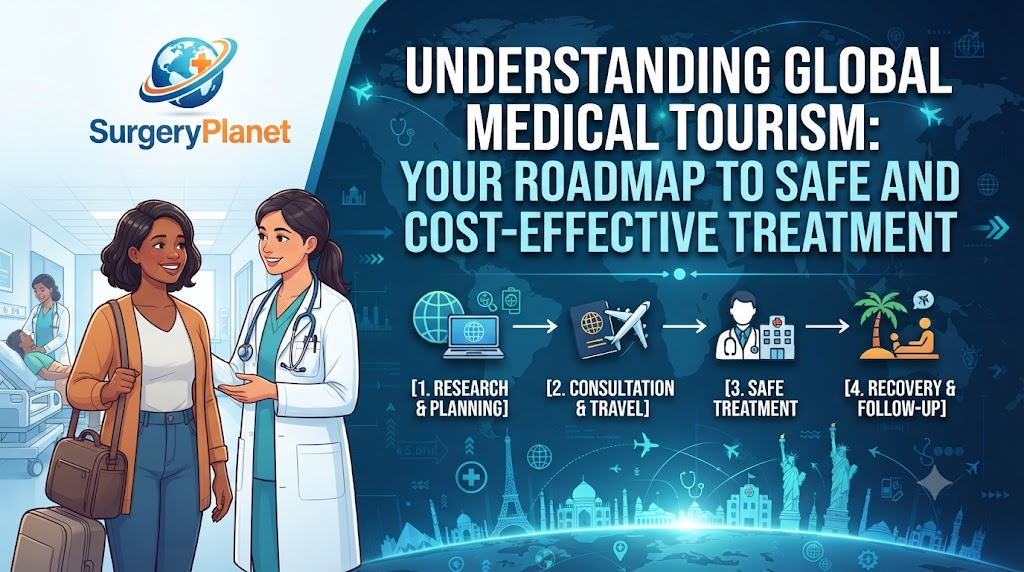
Rising healthcare costs in many developed nations are leading patients to explore options beyond their home borders. Whether you are facing a long waiting list for a hip replacement or looking for specialized cardiac care at a more accessible price point, the global landscape of medicine offers diverse solutions. However, medical tourism is more than just searching for the lowest price; it is about finding a balance between affordability, safety, and high-quality outcomes.
Consider a patient named Sarah who needs a knee replacement. She lives in a country where the wait time is months and the out-of-pocket expense is prohibitive. She begins researching options, finding herself overwhelmed by the sheer number of hospitals in different countries, each quoting different prices and offering varying levels of service. She needs a way to filter through the noise—to understand the difference between a “budget” package and a high-quality surgical plan. This is where SurgeryPlanet acts as a bridge, helping patients like Sarah navigate the complexities of international healthcare through informed, data-driven comparisons. By providing transparent insights into costs and hospital standards, SurgeryPlanet empowers patients to make decisions that prioritize their health and their financial well-being.
What Is SurgeryPlanet?
SurgeryPlanet is a comprehensive digital platform designed to streamline the international medical travel experience. It provides patients with transparent cost comparisons, verified hospital accreditation details, and expert guidance to help them evaluate surgical options globally. By simplifying complex healthcare information, it empowers patients to make informed decisions for safer and more effective treatment abroad.
Understanding Medical Tourism
In Simple Terms
Medical tourism is the process of traveling to another country to receive medical, dental, or surgical care. While it is often associated with cost savings, it is truly about expanding your options to find the best specialist or the most advanced technology for your specific health needs.
Real-World Example
A patient travels from the UK to India for a complex spinal procedure. While the primary driver was a 70% cost reduction compared to private care at home, the decision was finalized after identifying a top-tier surgeon who had trained internationally and a hospital that held prestigious global safety certifications.
Why It Matters
While the primary benefit is often affordability, the true value lies in access to specialized care that might not be available or affordable locally. The risks, however, include potential variations in follow-up care, travel-related complications, and differences in hospital quality. Thorough research is essential.
Key Takeaways
- Medical tourism is about value, not just low prices.
- It offers access to specialists and advanced medical technologies globally.
- Researching hospital safety standards is as important as comparing costs.
| Local Treatment | Medical Tourism |
| High cost, limited availability | Competitive pricing, broader access |
| Familiar healthcare system | New environment, needs cultural adjustment |
| Limited choice of surgeons | Choice of globally trained specialists |
| Standard recovery at home | Potentially specialized recovery packages |
Understanding Surgery Costs Around the World
In Simple Terms
Surgery costs vary wildly between countries due to differences in labor costs, local insurance structures, hospital operational overhead, and government subsidies. A “low price” does not always mean low quality, but it does require careful analysis of what is included in that price.
Real-World Example
When comparing a heart bypass surgery, one clinic might quote a “base price” that only covers the surgeon’s fee. Another hospital might quote a higher price that includes the operating theater, anesthesia, post-operative medication, and three nights in the ICU. Without a standardized breakdown, comparing these two is impossible.
Why It Matters
“Hidden” costs—such as post-operative medication, physical therapy, or emergency management—can significantly inflate the initial price. Transparency in these costs is the only way to avoid financial surprises during your recovery.
Key Takeaways
- Always ask for an “all-inclusive” quote breakdown.
- Factor in travel, accommodation, and food costs.
- Ensure that follow-up consultations are included in the package.
| Cost Component | Included or Additional |
| Surgical Procedure | Usually Included |
| Anesthesia & Theater Fees | Usually Included |
| Post-Op Medications | Often Additional |
| Post-Op Physical Therapy | Varies (Check carefully) |
| Follow-up Consultation | Varies (Check carefully) |
Knee Replacement Surgery Cost in India
In Simple Terms
India is a major global hub for orthopedics because it combines world-class medical training—often in the West—with highly competitive operational costs. For a knee replacement, you aren’t just paying for the surgery; you are paying for the surgeon’s volume of experience and the hospital’s specialized orthopedic infrastructure.
Real-World Example
An international patient seeking a knee replacement compares a hospital in their home country costing $25,000 to one in India costing $6,000. By choosing an accredited hospital in India, they save significantly, allowing them to afford a high-end rehabilitation program upon their return home.
Why It Matters
Orthopedic recovery is long. When choosing India, ensure the hospital provides a comprehensive rehabilitation plan and that you have a local physiotherapist back home who can coordinate with the surgical team.
Key Takeaways
- India offers high-volume, expert orthopedic care.
- Consider the total “life-cycle” cost, including post-op therapy.
- Verify the surgeon’s specific experience with the type of implant used.
Heart Bypass Surgery Cost in Turkey
In Simple Terms
Turkey has become a leading cardiac center by investing heavily in private, technology-driven hospitals that cater to international patients. The cost-efficiency comes from local economic factors, not a reduction in medical rigor.
Real-World Example
A patient needing a heart bypass looks at Turkey because of its proximity to Europe and the presence of hospitals affiliated with major international medical institutions. The process involves virtual consultations before travel, ensuring the patient arrives in Turkey with a clear surgical plan.
Why It Matters
Cardiac surgery is high-risk. In Turkey, the focus is on hospitals that possess international quality seals and have dedicated international patient departments that handle everything from language translation to post-operative monitoring.
Key Takeaways
- Turkey offers modern, high-tech cardiac care.
- Proximity to Europe makes it a convenient option for many.
- Accreditation status of the cardiac center is non-negotiable.
Dental Implants Abroad Cost Comparison
In Simple Terms
Dental tourism is popular because dental work is often excluded from insurance plans. Costs differ largely based on the materials used (e.g., brand of implant) and the dentist’s level of specialization in implantology.
Real-World Example
A patient needs full-mouth dental implants. They compare prices in their home country ($40,000) with a specialized clinic in a neighboring region ($12,000). They choose the latter, using the savings to upgrade their vacation stay during the recovery period.
Why It Matters
Consistency is key. Dental implants may require two or more trips. Ensure the treatment plan accounts for the full duration of the process, including the healing time required between implant placement and crown fitting.
Key Takeaways
- Check the brand and quality of the implants being used.
- Plan for the duration of the entire treatment, not just one visit.
- Research the dentist’s credentials in specialized implant procedures.
| Country | Relative Cost | Key Advantages |
| Hungary | Moderate | Proximity to EU; High expertise |
| Mexico | Low | Accessibility for North America |
| Thailand | Moderate/Low | High-end service; Tourism integration |
| India | Low | Skilled specialists; Low overhead |
Best Country for IVF Treatment Abroad
In Simple Terms
IVF treatment abroad is often driven by legal regulations and success rates. Some countries have more permissive laws regarding donor gametes, age limits for mothers, or genetic screening technologies.
Real-World Example
A couple facing restrictions in their home country explores IVF abroad. They prioritize a destination that is not only cost-effective but also has high live-birth success rates and clear legal frameworks for international patients.
Why It Matters
IVF is emotionally and physically demanding. Beyond the cost, you must weigh the regulatory environment and the psychological support services provided by the fertility clinic.
Key Takeaways
- Success rates are more important than low cost.
- Ensure the legal status of the treatment in your home country.
- Prioritize clinics with specialized international patient support.
Importance of JCI Accredited Hospitals for Surgery Abroad
In Simple Terms
Joint Commission International (JCI) accreditation is the “Gold Seal” of safety. A JCI-accredited hospital has undergone a rigorous review of its clinical processes, infection control, and patient safety protocols.
Real-World Example
A patient narrows their search to two hospitals in the same city. Hospital A is cheaper but lacks international accreditation. Hospital B is slightly more expensive but is JCI-accredited. The patient chooses Hospital B, valuing the standardized safety protocols that reduce the risk of surgical complications.
Why It Matters
When you are in a foreign country, you want to know that the safety standards—like sterilization, medication labeling, and staff communication—meet global benchmarks. Accreditation provides that assurance.
Key Takeaways
- JCI accreditation is a global benchmark for patient safety.
- It reduces the risk of hospital-acquired infections.
- It ensures the hospital has standardized emergency management systems.
Patient Checklist for Hospital Evaluation:
- Does the hospital have current JCI or equivalent accreditation?
- Is there a dedicated department for international patients?
- Can they provide references or contact details for past international patients?
- Does the surgical team speak your language fluently?
Choosing the Right Surgeon and Hospital
In Simple Terms
Your surgeon is the most important variable in your recovery. You are looking for a combination of high surgical volume (they do the procedure often) and specialized training relevant to your condition.
Real-World Example
A patient seeking a rare orthopedic surgery searches for a surgeon who performs that exact procedure at least 50 times a year. They verify the surgeon’s credentials through professional medical boards and look for research papers published by the surgeon to gauge their expertise.
Why It Matters
Experience equates to fewer complications and better recovery outcomes. Do not be afraid to ask a hospital for a surgeon’s specific case volume and success rates.
Key Takeaways
- Verify the surgeon’s training and board certification.
- Ask for their specific volume of experience with your procedure.
- Ensure there is a direct line of communication with the surgeon before you fly.
Understanding Medical Tourism Packages
In Simple Terms
A medical tourism package is an “all-in-one” pricing model. It bundles the surgeon’s fee, hospital stay, anesthesia, operating room costs, and sometimes even airport transfers and hotel stays into one price.
Real-World Example
A patient books a “knee replacement package.” The hospital provides a detailed invoice: $5,000 covers everything from the pre-surgery MRI to the private room and the first 5 days of medication. This allows the patient to budget accurately before they even leave their home.
Why It Matters
Packages eliminate the “bill shock” of receiving separate charges from the anesthesiologist, the laboratory, and the pharmacy.
Key Takeaways
- Read the “Exclusions” list carefully.
- Confirm if the package covers potential complications or extra days in the hospital.
- Ensure accommodation for a companion is included if necessary.
| Package Item | Why It’s Included |
| Pre-op Consultations | To confirm diagnosis before travel |
| Airport Transfers | To reduce stress upon arrival |
| Post-op Physiotherapy | To start recovery immediately |
| Concierge Support | To manage logistics and language barriers |
How SurgeryPlanet Helps Patients
In Simple Terms
SurgeryPlanet acts as a navigator. Instead of you spending hundreds of hours reading forums, the platform provides tools to compare surgeons, review hospital accreditations, and understand pricing structures in a simplified, organized format.
Real-World Example
A user searches “knee replacement in India” on SurgeryPlanet. They are presented with a list of verified, JCI-accredited hospitals, a summary of what a standard surgery package includes, and a simple form to request a quote that will cover all their specific questions, saving them weeks of independent research.
Why It Matters
You are likely already stressed by your medical condition. The platform helps remove the “logistical headache” so you can focus on your health.
Key Takeaways
- Access to vetted, accredited global hospitals.
- Transparent cost comparison tools.
- Personalized quote requests to avoid ambiguity.
Comparing Popular Surgery Destinations
| Country | Strengths | Common Procedures |
| India | Cost-effective; High volume; English-speaking staff | Orthopedic, Cardiac, Spinal |
| Turkey | Proximity to EU; Modern tech; Quality cardiac care | Cardiac, Hair transplant, Dental |
| Thailand | Luxury service; High tourist infrastructure; JCI standards | Cosmetic, Dental, Gender confirmation |
| UAE | Top-tier technology; Luxury facilities | Complex multispecialty, Robotic surgery |
| Singapore | Gold-standard safety; Advanced oncology/neurology | Complex diagnostics, Oncology, Cardiac |
Real-World Patient Scenarios
- Orthopedic Surgery: A teacher with chronic hip pain uses a cost-comparison guide, chooses an accredited hospital in India, saves 60% compared to home, and returns to work 3 months later.
- Cardiac Surgery: A retiree chooses a top-tier hospital in Turkey after verifying the surgeon’s 20-year experience in bypass procedures. They enjoy a guided recovery program that includes post-op monitoring.
- IVF Patient: A couple researches global success rates and chooses a clinic in a region known for high-tech genetic screening, successfully navigating the process with the help of a local patient coordinator.
- Dental Tourism: A patient requires full-mouth restoration. They plan two trips (one for implant placement, one for crowns) based on a detailed, transparent package quote, allowing them to budget perfectly.
Common Mistakes Medical Tourists Make
- Choosing Solely by Price: A “cheap” surgery can become expensive if there are complications or a lack of follow-up care.
- Ignoring Accreditation: Always verify JCI or local safety seals.
- Poor Recovery Planning: Forgetting that you need to be physically ready to travel home.
- Comparing Too Few Options: Always compare at least 3 hospitals/surgeons.
- Not Requesting Detailed Breakdowns: Vague quotes are a red flag.
Surgery Planning Checklist
- Medical Records: Gather all reports and imaging (MRI, CT) to send to hospitals for remote review.
- Virtual Consults: Request at least one video call with the operating surgeon.
- Accreditation Check: Verify the hospital’s JCI status on the official JCI website.
- Visa & Travel: Confirm medical visa requirements and flight suitability for recovery.
- Recovery Plan: Arrange for a local doctor at home to manage your follow-up before you leave.
- Emergency Fund: Always keep a reserve for unexpected travel or medical changes.
Future of Medical Tourism
The landscape is shifting toward digital-first healthcare. We are seeing the rise of:
- Virtual Consultations: Making the “pre-travel” phase much safer.
- AI-Assisted Matching: Tools that match your specific health data with the best-performing surgeons globally.
- Integrated Care: Hospitals that provide follow-up care instructions to your local doctor digitally.
Why Patients Use SurgeryPlanet
Transparency is the currency of medical tourism. Patients use SurgeryPlanet because it removes the guesswork, offers a centralized location for hospital research, and provides the frameworks needed to compare “apples to apples” when reviewing medical quotes. It transforms a scary, complex, and opaque process into a manageable, structured plan.
FAQ Section
1. What is SurgeryPlanet?
SurgeryPlanet is a comprehensive resource designed to help international patients research, compare, and plan surgical procedures globally.
2. How does SurgeryPlanet help patients compare surgery costs?
It provides standardized information, comparative data on hospital packages, and tools to request transparent quotes from multiple global providers.
3. Why do patients travel abroad for surgery?
Patients travel for a mix of reasons: cost savings, shorter wait times, access to advanced medical technology, and the availability of highly specialized surgeons.
4. What is a JCI-accredited hospital?
A hospital accredited by Joint Commission International (JCI) has met rigorous, globally recognized standards for patient safety and clinical quality.
5. Is knee replacement surgery abroad safe?
Yes, provided you select a JCI-accredited hospital, a board-certified surgeon with high-volume experience, and plan your post-operative recovery thoroughly.
6. How much does heart bypass surgery cost in Turkey?
Costs vary based on the clinic and specific patient needs, but Turkey is often significantly more cost-effective than Western Europe or the US, with high-quality outcomes.
7. What should I look for in a medical tourism package?
Look for clear inclusions (surgery, anesthesia, room, medication), transparency regarding exclusions, and proof of post-operative support.
8. How do I compare hospitals internationally?
Focus on three pillars: accreditation (JCI), the surgeon’s specific credentials/case volume, and the transparency of the cost breakdown provided.
9. Which country is best for IVF treatment abroad?
“Best” depends on your specific needs, such as success rates, legal regulations for donors, and budget. Many countries in Europe and Asia are popular due to specialized fertility clinics.
10. How can I plan surgery abroad successfully?
Start by gathering your medical records, prioritizing accredited facilities, booking virtual consultations, and arranging your post-surgery care plan with a local doctor before you travel.
Final Summary
Surgery cost comparison is not just about finding the lowest price—it is about finding the highest value for your health. By prioritizing JCI-accredited hospitals, verifying surgeon credentials, and choosing comprehensive surgical packages, you can safely navigate the global healthcare market. Whether you are seeking orthopedic, cardiac, or fertility treatment, the key to success lies in preparation and transparency. Explore your options with confidence and ensure your healthcare travel is as safe and effective as possible.
