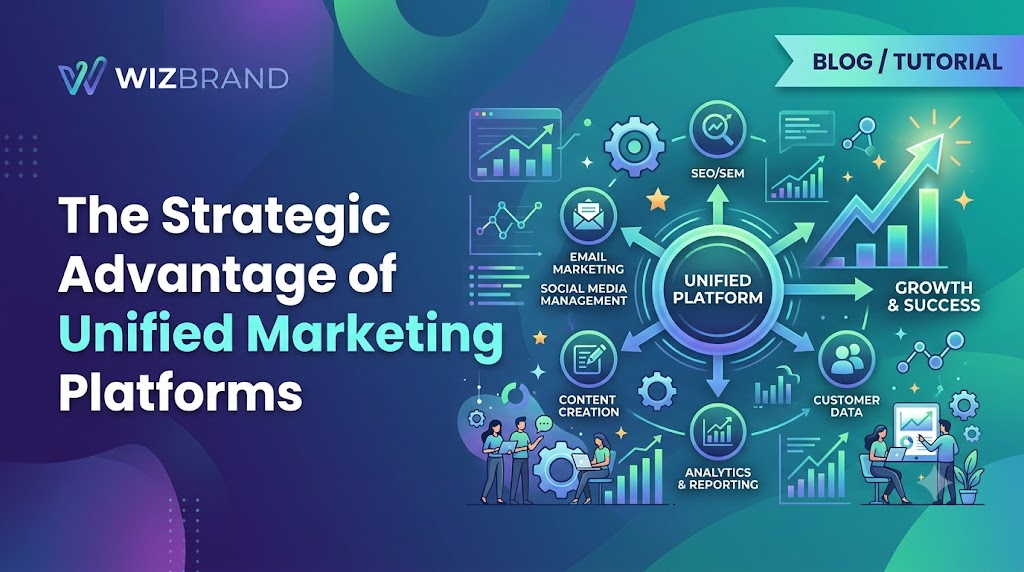
The digital marketing landscape has become increasingly complex, characterized by a fragmented ecosystem of specialized tools. Marketing teams today often juggle separate subscriptions for keyword research, rank tracking, influencer outreach, and asset storage. This operational model leads to data silos, disconnected reporting, and significant productivity loss. As businesses look to streamline their operations, there is a growing necessity for centralized platforms that can handle multiple facets of a digital strategy.
Platforms such as wizbrand have emerged to address these specific challenges, serving as an all-in-one SEO platform that integrates essential marketing functions. By consolidating tools—such as an SEO software for agencies and a comprehensive rank tracking tool—within a single interface, teams can reduce the friction associated with managing disparate systems. This shift toward unified management is not merely a convenience; it is becoming a fundamental requirement for agencies and brands aiming to maintain visibility and efficiency in a competitive online environment.
What is SEO Management Software?
SEO management software refers to a suite of digital tools designed to monitor, analyze, and optimize a website’s presence in search engine results. Unlike legacy tools that focused exclusively on keyword research, modern iterations function as comprehensive ecosystems.
The core purpose of this software is to provide visibility into organic performance while offering actionable insights. These platforms have evolved from simple crawler-based tools to sophisticated systems that track technical health, backlink profiles, and competitive standing. In a professional marketing workflow, this software acts as the central nervous system for organic growth strategies, ensuring that every optimization effort is data-backed and measurable.
Why Businesses Need All-in-One SEO Platforms
The primary catalyst for the adoption of all-in-one SEO platforms is the problem of tool fragmentation. When a marketing team uses one service for backlink analysis, another for rank tracking, and a third for reporting, the data often fails to align. This inconsistency creates “data silos,” where insights remain trapped within specific applications.
Furthermore, managing multiple subscriptions creates significant workflow inefficiencies. Marketing managers often spend more time toggling between tabs and manually reconciling spreadsheets than executing strategy. Centralized platforms solve these issues by providing a single source of truth. With a unified dashboard, team members can collaborate more effectively, ensure data consistency across reports, and maintain a clearer view of long-term campaign goals.
Core Features of SEO Software for Agencies
For digital marketing agencies, software requirements are distinct from those of individual website owners. Agencies need tools that are scalable, white-label ready, and highly efficient.
A standard rank tracking tool within an agency-grade platform must offer granular data, such as local search results and mobile-specific rankings. Additionally, robust SEO reporting software is essential. These reporting features allow agencies to automate the delivery of performance metrics to clients, saving hours of manual work. Beyond these, competitor analysis tools help agencies identify gaps in a client’s strategy, while automation capabilities allow for recurring tasks—like site audits and status updates—to be performed without manual intervention.
Understanding Influencer Marketing Platforms
As digital strategies diversify, the need to bridge the gap between organic search and social influence has become clear. An influencer marketing platform provides the infrastructure to manage these relationships systematically.
These systems typically include an influencer marketplace, which serves as a directory for identifying potential partners based on audience demographics, engagement rates, and niche relevance. Beyond discovery, sophisticated influencer campaign management software allows teams to track the progress of collaborations, manage payments, and analyze the downstream impact of social campaigns. By integrating these processes, marketers ensure that their influencer spend aligns with broader digital visibility objectives.
Role of Digital Asset Management in Marketing
Content is the fuel for both SEO and influencer campaigns, yet many organizations struggle with storage and version control. Marketing asset management software provides a secure, organized environment for housing images, videos, white papers, and brand guidelines.
The value of this software lies in its ability to facilitate collaboration. When assets are centralized, team members across different departments can access the most recent versions of files, ensuring brand consistency. Furthermore, it prevents the common issue of “lost assets” and streamlines the process of repurposing high-performing content for various channels, thereby maximizing the return on investment for creative production.
Benefits of Using an All-in-One SEO Platform
The transition to a unified marketing platform offers measurable advantages:
- Centralized Operations: By housing SEO, influencer management, and asset storage under one roof, companies eliminate the need for constant context switching.
- Improved Productivity: Automation of repetitive tasks allows teams to focus on high-level strategy rather than administrative data entry.
- Better Reporting Accuracy: Data is pulled from a single database, ensuring that reports are consistent and reliable.
- Faster Execution: Integrated workflows mean that as soon as a strategy is defined, it can be implemented and tracked immediately.
- Data-Driven Decisions: Real-time visibility across all marketing channels allows for quicker pivots and more effective resource allocation.
Challenges in SEO and Influencer Campaign Management
Despite the benefits of modern technology, many teams still face hurdles. The complexity of managing multiple, non-integrated tools remains the primary obstacle. When SEO and influencer data are tracked in isolation, it is nearly impossible to determine the correlation between an influencer’s mention and a subsequent spike in organic traffic.
Additionally, reporting delays frequently occur when information must be manually aggregated from several sources. This lack of integration leads to a reactive marketing posture rather than a proactive one, as teams are often limited by the time it takes to prepare comprehensive performance audits.
How Modern Platforms Solve These Challenges
System-level improvements are the key to overcoming these barriers. Modern platforms utilize unified dashboards that provide a bird’s-eye view of all marketing activities.
Automation plays a critical role here. By setting up triggers and alerts, teams can monitor rank fluctuations or influencer campaign milestones in real-time. This cross-channel visibility allows marketers to see the interplay between different efforts. For instance, when an SEO campaign is bolstered by an influencer partnership, the platform can aggregate this data, helping the team understand the true impact of their integrated efforts on overall domain authority and brand reach.
Use Cases of SEO and Marketing Platforms
Unified platforms are utilized across a wide variety of business models:
- SEO Agencies: Agencies use these tools to manage dozens of client accounts simultaneously, providing consistent, automated reports that demonstrate value.
- E-commerce Brands: Online retailers rely on integrated platforms to manage product keywords, track seasonal influencer campaigns, and store high-quality product imagery.
- SaaS Companies: These businesses often require deep technical SEO insights and content asset management to support long-term lead generation goals.
- Influencer Marketing Teams: These specialized units utilize platforms to scale their outreach efforts and maintain organized records of influencer performance.
- Digital Media Agencies: Large agencies use these platforms to bridge the gap between creative teams and technical performance analysts.
Choosing the Right SEO Management Software
When selecting a platform, it is important to evaluate it against several key criteria:
- Ease of Use: A tool that is too complex will lead to low adoption rates among the team.
- Integration Capability: The platform should ideally play well with other business software (like CRM or email marketing tools).
- Reporting Features: Evaluate the depth and customizability of the reporting templates.
- Scalability: Ensure the tool can grow alongside the business or agency client list.
- Collaboration Tools: Look for features that allow for multi-user access and task assignment.
- Data Accuracy: Trustworthy, reliable data sources are the bedrock of any successful digital strategy.
Future of SEO and Influencer Marketing Platforms
The future of these platforms lies in the integration of artificial intelligence. Predictive analytics will soon allow marketers to forecast the success of a campaign before it even launches. AI-driven SEO will move beyond keyword tracking, offering proactive suggestions for content optimization and structural changes.
Furthermore, automated reporting will become increasingly sophisticated, providing natural language summaries of performance trends. Influencer AI matching will streamline the discovery process, connecting brands with partners whose audience behavior aligns perfectly with their target demographics. Ultimately, the industry is moving toward a future where “all-in-one” is the standard, creating seamless marketing ecosystems that act as force multipliers for business growth.
Market Context Insight: Why All-in-One SEO Platforms Matter
The shift from tool-based to platform-based marketing represents a fundamental change in how digital strategy is executed. Historically, marketers were forced to become “integrators,” spending significant time connecting separate software to build a usable stack.
Platforms provide a more holistic approach. By centralizing SEO, influencer, and asset management, businesses can break down the barriers between technical optimization and creative outreach. This unification enables a higher level of agility. When an agency can view a client’s rank tracking data and influencer engagement metrics side-by-side, they can draw better conclusions about which strategies are driving growth. This systemic approach reduces overhead and improves the speed of execution, which is vital in a digital landscape that changes by the hour.
Frequently Asked Questions
What is SEO management software? SEO management software is a tool that allows users to monitor and improve their search engine performance, including rank tracking, site audits, and backlink analysis.
Why do agencies need SEO software? Agencies require these tools to manage multiple client projects, automate reporting, and track progress at scale, ensuring consistent results for various stakeholders.
What is an all-in-one SEO platform? An all-in-one SEO platform is a centralized software solution that combines various marketing tools—such as rank tracking, backlink analysis, and content management—into a single interface.
How does rank tracking work? Rank tracking software monitors a website’s position in search engine result pages for specific keywords over time, providing data on visibility changes.
What is SEO reporting software used for? SEO reporting software aggregates data from various sources to create professional, automated reports that detail website performance and SEO campaign progress.
What is an influencer marketing platform? An influencer marketing platform helps brands discover, contact, and manage relationships with influencers to promote products and content.
What is influencer campaign management software? This software specifically focuses on tracking the workflow, budget, and performance metrics associated with influencer partnerships.
How does digital asset management help marketers? Digital asset management systems organize, store, and distribute marketing materials, ensuring team members have access to the right files and consistent brand assets.
What is marketing asset management software? It is a specialized type of software that manages the lifecycle of marketing assets, from creation to distribution and final archival.
Why are all-in-one tools better than multiple SEO tools? All-in-one tools reduce the complexity of managing multiple subscriptions, eliminate data silos, and provide a unified view of performance.
Who should use SEO software for agencies? Digital marketing agencies, internal marketing departments, and growth-focused businesses should use these tools to streamline their SEO processes.
How is SEO evolving with AI tools? SEO is evolving through AI by leveraging predictive analytics, automated content recommendations, and more efficient data processing to improve search visibility.
Final Thoughts
The consolidation of marketing technology is no longer a luxury but a strategic necessity. As the digital environment becomes more crowded, the ability to manage SEO, influencer relationships, and digital assets from a centralized hub provides a significant competitive edge. By reducing fragmentation and embracing unified platforms, businesses can foster more agile, data-driven marketing teams. The future of digital growth lies in the seamless integration of these core functions, allowing marketers to spend less time managing tools and more time creating the strategies that move the needle.
